HYROX Running: How to Run the 8 × 1km Faster (Without Blowing Up Your Stations)
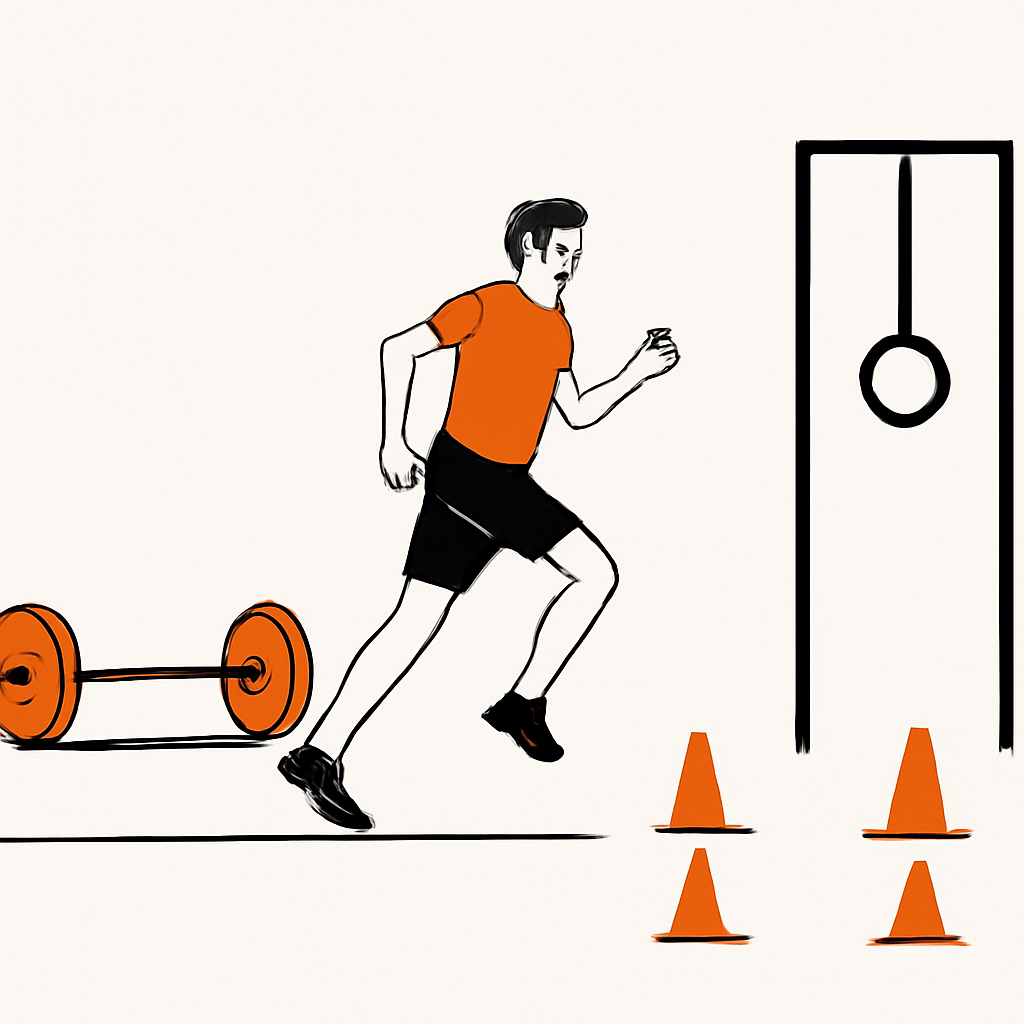
HYROX running isn’t “just running.” It’s 8 × 1km of running broken up by stations that spike your heart rate, change your muscle recruitment, and wreck your rhythm. The athletes who run best in HYROX aren’t always the best pure runners—they’re the ones who can repeatedly settle into pace, manage breathing, and run efficiently on tired legs after heavy work like sleds, lunges, and wall balls.
This guide covers where the runs happen in the race, how to pace them, how to train HYROX-specific running, and the workouts that transfer most.
Where running falls in HYROX (and why it matters)
HYROX is essentially a running race with workouts interrupting it:
- 8 × 1km runs
- 8 stations
- Pattern: Run → Station → Run → Station (until the finish)
Why this changes everything vs a normal 8km
- Your pace will fluctuate depending on the station you just completed.
- Some stations primarily tax breathing (burpees), others tax legs (sled push/lunges), and others tax grip/posture (farmers carry).
- The best HYROX runners don’t chase perfect splits—they run with controlled variability and a plan for the “bad kilometers.”
HYROX Running at a glance (quick wins)
- Don’t sprint out of stations. Build for 10–20 seconds, then lock in pace.
- Use cadence as your anchor. When legs feel dead, cadence beats stride length.
- Run tall after heavy stations. Posture first, pace second.
- Plan “hard” and “hold” kilometers. Not every 1km should feel the same.
- Practice compromised running weekly. It’s the most specific skill in HYROX.
What makes HYROX running different?
1) Compromised running
You’re running with:
- quads flooded (sled push, wall balls)
- hip flexors cooked (lunges)
- breathing chaotic (burpee broad jumps)
- grip/upper back fatigue (sled pull, farmers carry)
2) Frequent pace resets
Every station forces you to re-find rhythm. That’s a trainable skill.
3) The “cost” of going too hard is bigger
A 5–10 second gain on one run can cost you 30–90 seconds later if it ruins a station or forces extra breaks.
HYROX running pacing strategy (the approach that wins)
The goal
Run the 8 × 1km as a repeatable series, not eight isolated time trials.
A practical pacing model (works for most)
Think of your 1km runs as three types:
- Settle kilometers (early)
- Controlled hard, never frantic
- You should finish them feeling “I could do that again.”
- Hold kilometers (middle)
- The goal is consistency while fatigue rises
- Avoid emotional surges (this is where people implode).
- Commit kilometers (late)
- After lunges and into wall balls, it’s about execution
- You can push harder only if you’re still getting quality reps at stations.
The “station exit rule”
After every station:
- 10 seconds to breathe + posture
- 10 seconds to build pace
- then settle into your target effort
This alone can save you from the classic HYROX mistake: sprinting out of a station, spiking HR, then jogging the rest of the kilometer.
How stations affect your next 1km (what to expect)
After Sled Push / Lunges / Wall Balls (leg-dominant stations)
You’ll feel:
- heavy quads
- shortened stride
- urge to lean forward
What to do:
- shorten stride
- increase cadence slightly
- run tall (ribs stacked over pelvis)
- accept that the first 200–300m will feel worse than it actually is
After Burpee Broad Jumps (breathing-dominant station)
You’ll feel:
- high HR
- “panic breathing”
- legs might be okay, but engine is maxed
What to do:
- control breathing first
- keep pace conservative for 200m
- then build steadily
After Farmers Carry / Sled Pull (grip + posture stations)
You’ll feel:
- tight shoulders/upper back
- restricted breathing
- tense arms
What to do:
- relax shoulders
- let arms swing
- long exhales to drop tension
HYROX running technique cues (simple and effective)
Form priorities when fatigued
- Tall posture: head up, ribs down
- Quick feet: cadence solves a lot late-race
- Relaxed arms: tension steals oxygen
- Quiet landing: avoid overstriding and braking
Cues:
- “Tall, quick, relaxed.”
- “Cadence first.”
- “Breathe low.”
Common HYROX running mistakes (and fixes)
Mistake 1: Treating every 1km like a PB attempt
Fix: choose a pace you can repeat 8 times with stations. If you can’t repeat it, it’s too fast.
Mistake 2: Sprinting out of stations
Fix: exit controlled, build pace gradually for 20 seconds.
Mistake 3: Overstriding when legs are tired
Fix: shorten stride, increase cadence, keep hips under you.
Mistake 4: Ignoring run training and “only doing HYROX workouts”
Fix: you need a base + thresholds + compromised running. HYROX is still largely a running outcome.
How to train for HYROX running (what actually works)
Think in 4 buckets:
1) Aerobic base (1–2x/week)
Easy running builds the engine that lets you recover between hard segments.
2) Threshold / tempo running (1x/week)
This is the “HYROX pace” engine—sustainable discomfort.
3) Speed + efficiency (optional 1x/week)
Short reps for running economy (not all-out sprinting).
4) Compromised running (1x/week, most important)
Run after stations or station-like work so your body learns the exact skill HYROX requires.
Best workouts for HYROX running
Beginner (build consistency)
A) Cruise 1Ks
- 6 × 1km @ comfortably hard
- Rest 90s easy walk/jog
Focus: same pace every rep.
B) Tempo Blocks
- 3 × 8 min @ steady hard (tempo)
- Rest 2 min easy
Focus: controlled breathing, tall posture.
Intermediate (HYROX-specific)
C) Station Exit Repeats
- 6 rounds:
- 10 burpees (smooth)
- 1km run @ target HYROX effort
Rest 2 min
Focus: finding pace after elevated HR.
D) Heavy Legs Run
- 5 rounds:
- 12–15 walking lunges each leg (moderate load)
- 600m run @ controlled hard
Rest 90s
Focus: cadence + posture under quad fatigue.
Advanced (race realism)
E) Broken 8K HYROX Style
- 8 rounds:
- 1km run @ target effort
- 1 station substitute (see below)
Rest only what you need to transition cleanly
Focus: repeatability, not hero pace.
Station substitutes (rotate):
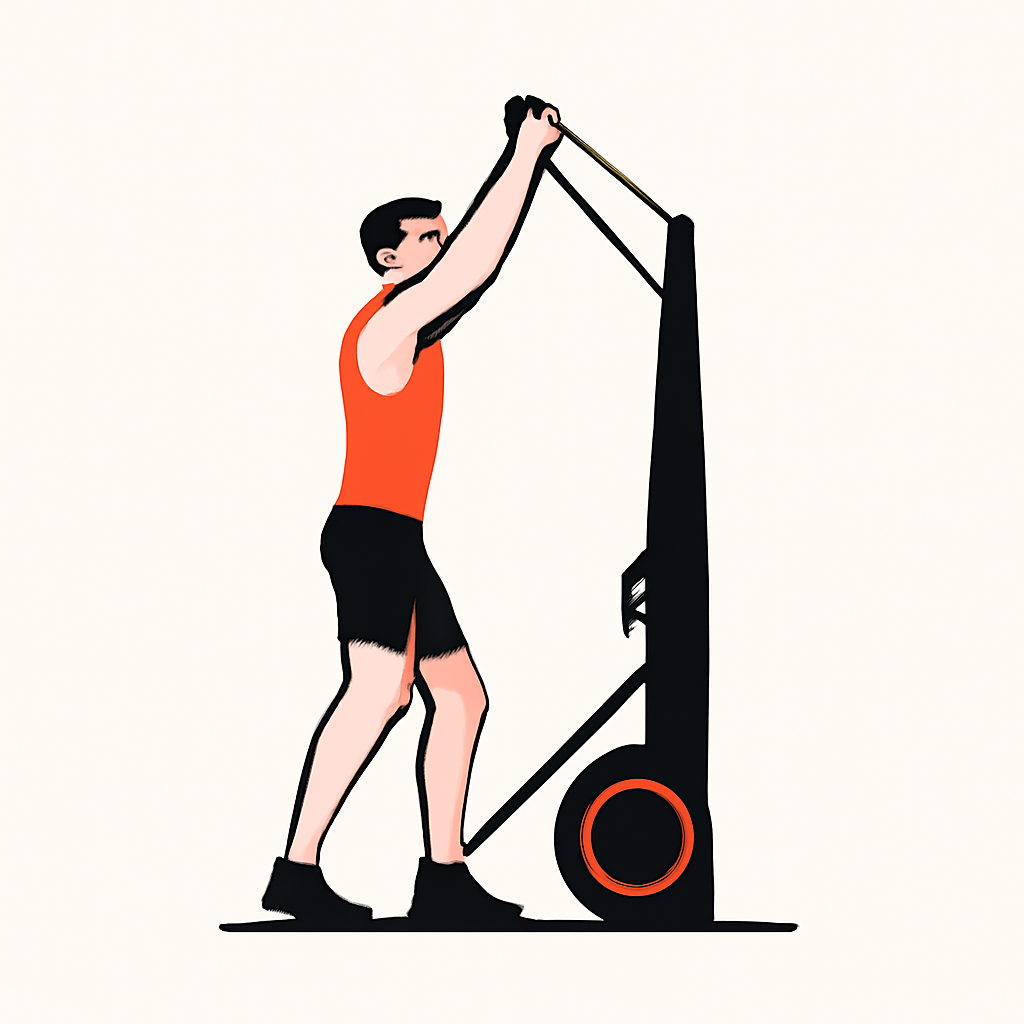
- Ski: 400–500m SkiErg
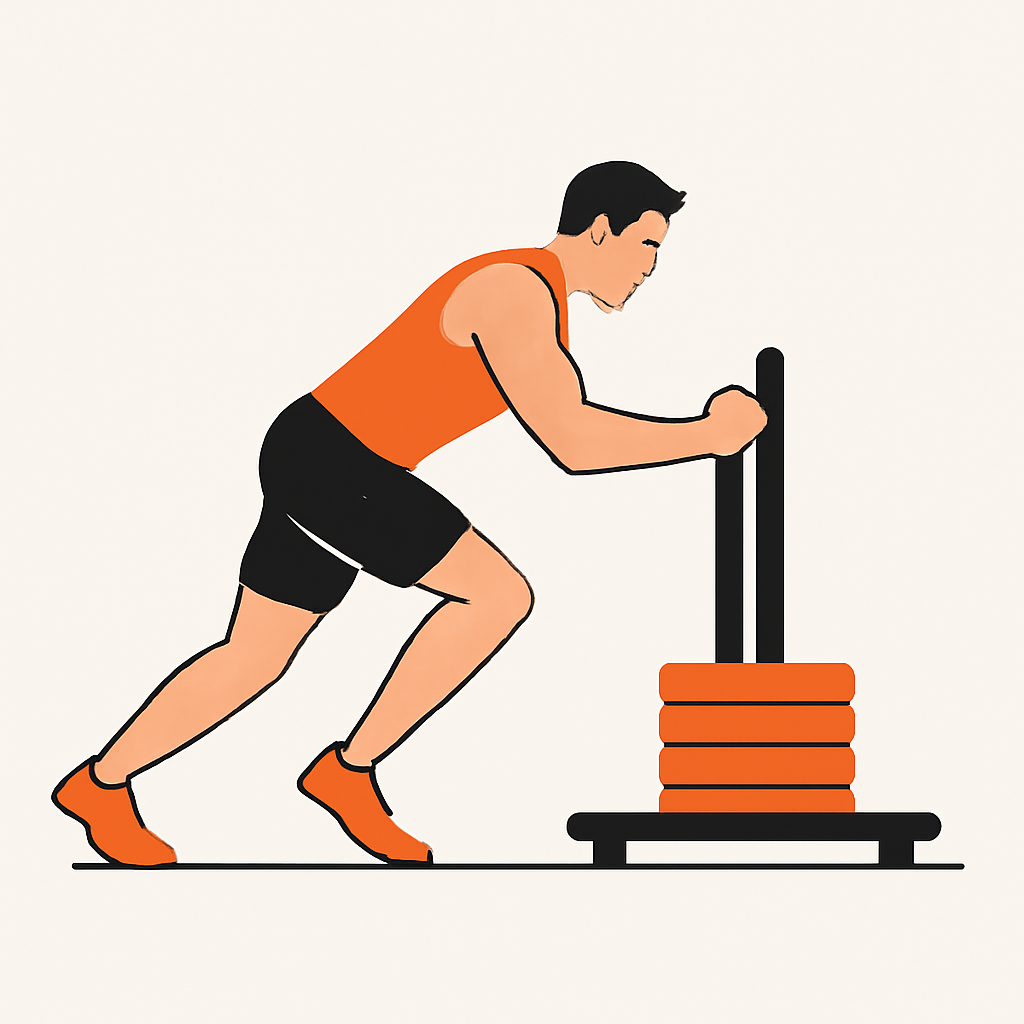
- Sled push: treadmill incline push 45–60s
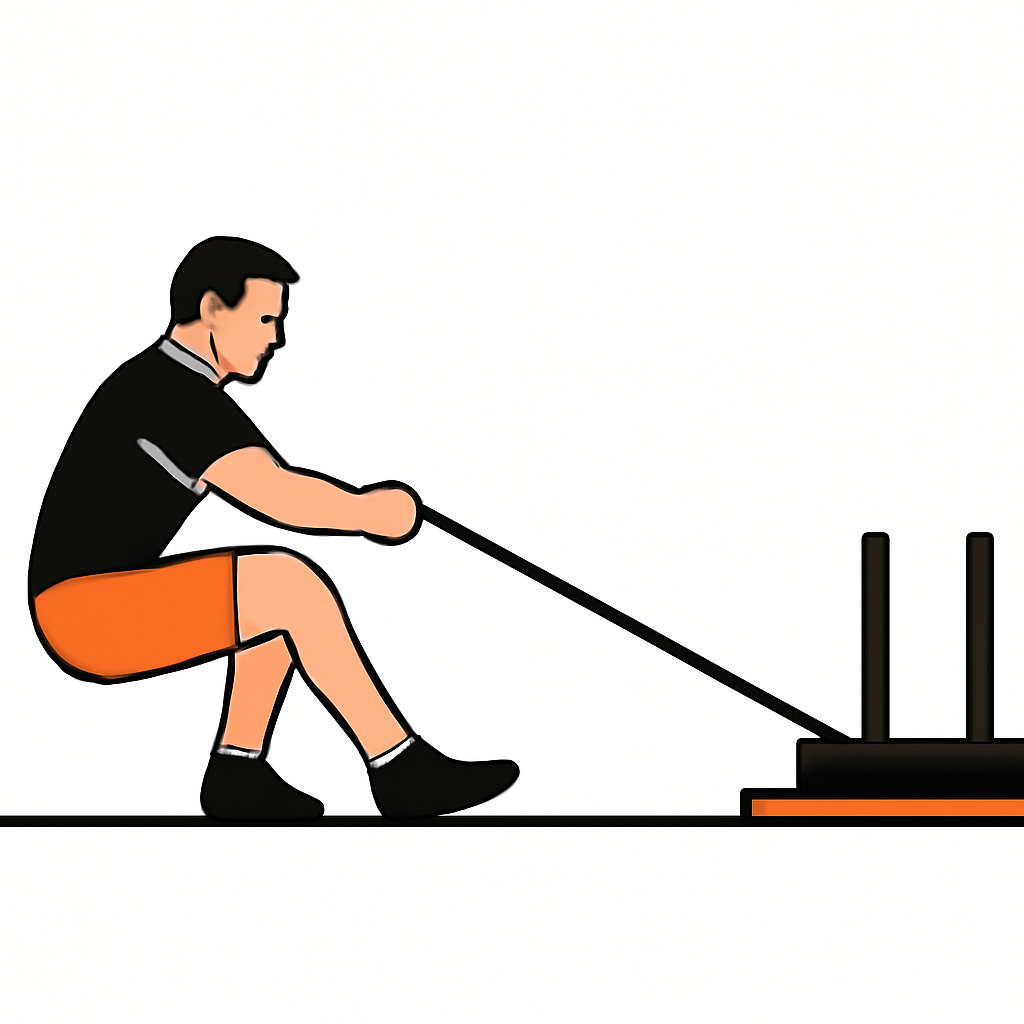
- Sled pull: heavy rope pulls 45–60s
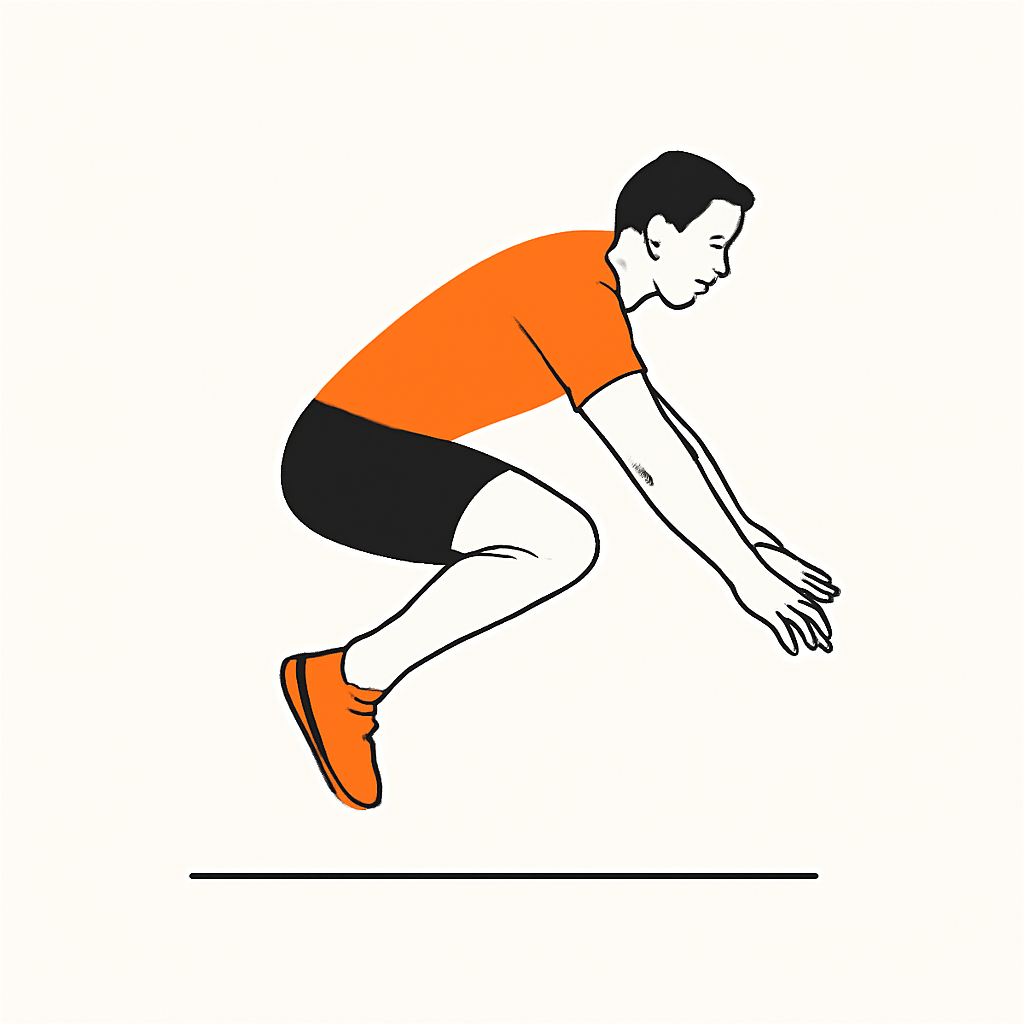
- Burpees: 10–15 burpees
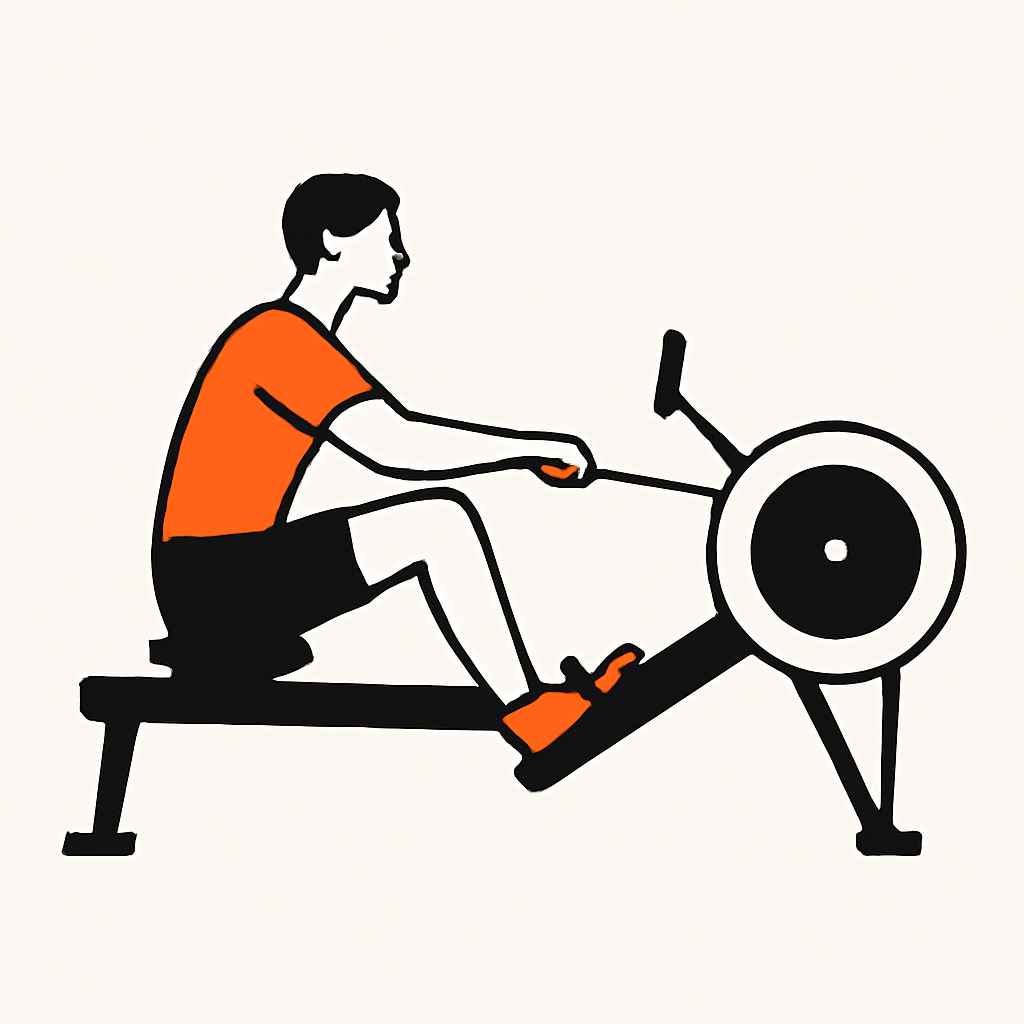
- Row: 500m row
- Farmers: 100m heavy carry
- Lunges: 20–30m lunges
- Wall balls: 25 wall balls
F) Threshold + Surge
- 20 min tempo run steady
- Then 6 × 30s faster / 60s easy
Focus: holding form when pace changes late.
How often should you run for HYROX?
A simple, effective weekly structure for many athletes:
- 2–3 runs/week minimum
- 1 easy aerobic
- 1 threshold/tempo
- 1 compromised running session (can be combined with HYROX training)
If you’re already a strong runner, keep the frequency but make the compromised work more specific.
Benchmarks: what’s a “good” HYROX run pace?
It depends heavily on:
- how hard you hit stations
- your strengths (runner vs strength athlete)
- pacing discipline
A useful way to think about it:
- Your best standalone 1km pace is rarely your best HYROX 1km pace.
- HYROX success is usually about keeping the “bad kilometers” from becoming disasters.
Rule of thumb: if your run pace collapses by more than ~10–15% in the last 3 runs, your early pacing (or station pacing) is too aggressive.
FAQs
How many kilometers do you run in HYROX?
You run 8 × 1km, totaling 8km, with stations between each kilometer.
Why does HYROX running feel harder than normal running?
Because stations spike your heart rate and fatigue specific muscles, forcing you to repeatedly reset your running rhythm.
Should I run the first 1km hard?
You should run it controlled. The race is long, and going too hard early usually costs more time later.
What’s the best way to improve HYROX running fast?
Add one compromised running workout per week and one tempo/threshold run.
How do I stop my pace falling apart late-race?
Better pacing early, stronger aerobic base, and practicing running after lunges/wall balls-style fatigue.
2-week HYROX running micro-plan
Week 1
- Session 1: Easy run 40–60 min (aerobic)
- Session 2: Cruise 1Ks (6 × 1km)
- Session 3: Station Exit Repeats (burpees + 1km)
Week 2
- Session 1: Easy run 40–60 min
- Session 2: Tempo Blocks (3 × 8 min)
- Session 3: Heavy Legs Run (lunges + 600m repeats)
Related HYROX guides (internal links)
- HYROX pacing strategy (full race)
- Sled push + sled pull guides
- Lunges (second-to-last station) strategy
- Wall balls (final station) pacing and break plans
- HYROX station-by-station training plan